Drain Cleaning Methods Compared | Fort Collins Plumber
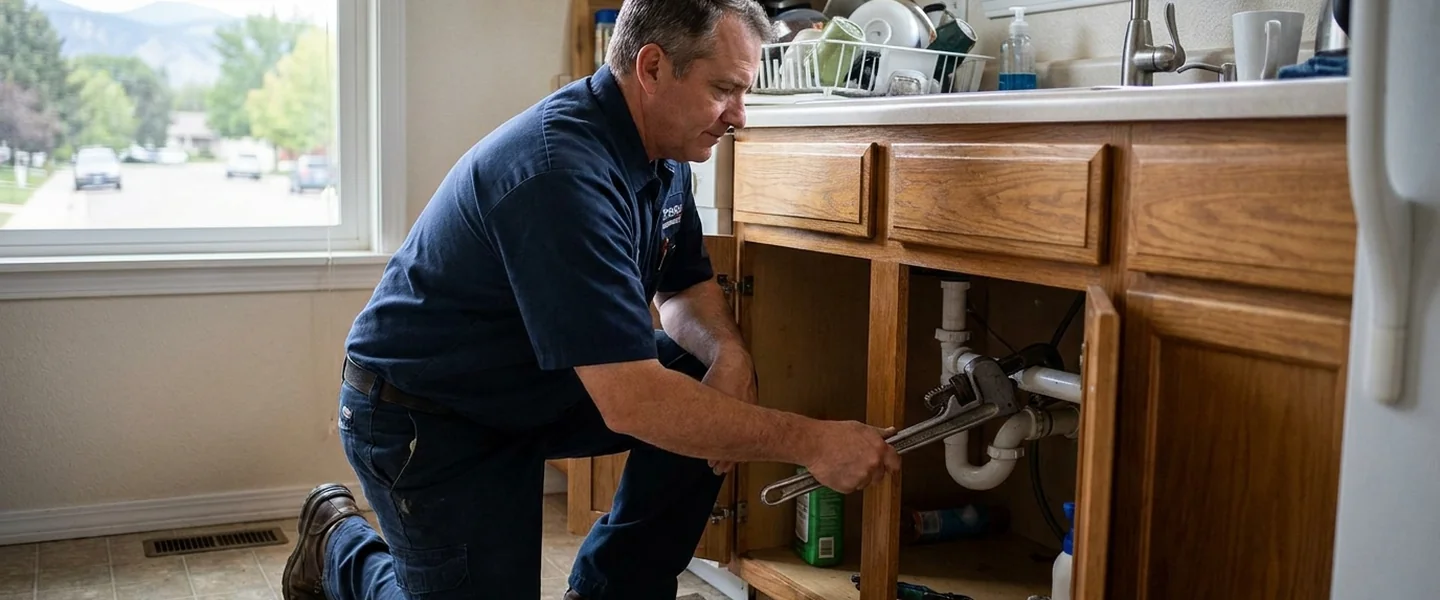
Drain Cleaning Methods Compared: What Actually Works for Fort Collins Homes
Not every clogged drain needs the same fix — and choosing the wrong method can waste money or even damage your pipes. Here’s a straightforward comparison of the most common drain cleaning methods so you can make an informed decision before calling a plumber (or grabbing that bottle of Drano).
Fort Collins homeowners face some unique plumbing challenges. Between the region’s hard, mineral-rich water from the Poudre River watershed, the clay-heavy soils in older neighborhoods like Sheely Drive and Waverly Acres, and the freeze-thaw cycles that stress underground lines every winter, drains here tend to take a beating. The right cleaning method depends on your pipe material, the nature of the clog, and how old your plumbing system is — all factors a local expert understands well.
The Main Drain Cleaning Methods Side by Side
1. Drain Snaking (Mechanical Auger)
A drain snake — also called a plumber’s auger — is a long, flexible metal cable with a corkscrew tip that physically breaks apart or retrieves a clog. It’s one of the oldest and most reliable tools in a plumber’s kit, and for good reason.
- Best for: Single-point clogs close to the drain opening — hair in a bathroom drain, a toy lodged in a toilet, or food buildup near a kitchen sink trap
- Works well on: PVC and older galvanized or cast-iron pipes common in Fort Collins homes built before 1990
- Limitations: Snaking punches a hole through the clog but doesn’t fully clear the pipe walls, so buildup can return quickly
- Risk level: Low — when done by a professional, snaking rarely damages pipes
For most routine household clogs, snaking is the first line of defense and often all that’s needed. It’s fast, affordable, and minimally invasive.
2. Hydro Jetting
Hydro jetting uses a high-pressure stream of water — typically several thousand PSI — to scour the inside walls of a drain or sewer line. Think of it as pressure washing the interior of your pipes.
- Best for: Stubborn grease buildup, recurring clogs, scale from hard water minerals, and root intrusion in main sewer lines
- Ideal in: Older Fort Collins neighborhoods like Old Town and the University area, where sewer lines may be decades old and riddled with mineral deposits
- Limitations: Not appropriate for pipes that are already cracked, corroded, or fragile — a camera inspection should be done first
- Risk level: Moderate — in capable hands it’s very effective, but improper use can worsen existing pipe damage
Hydro jetting is the gold standard for thoroughly cleaning a drain line. If your Fort Collins home has had repeated slow drains despite regular snaking, jetting is likely the next step. It’s also excellent for clearing the kind of mineral scale buildup that’s extremely common with Northern Colorado’s hard water supply.
3. Chemical Drain Cleaners
Store-bought chemical drain cleaners (sodium hydroxide or sulfuric acid-based products) are widely used but often misunderstood. They dissolve organic matter like hair and grease using a chemical reaction that generates heat.
- Best for: Very minor, fresh clogs as a temporary measure
- Limitations: Ineffective on solid obstructions, tree roots, or mineral scale; repeated use degrades PVC and corrodes older metal pipes over time
- Safety concerns: These chemicals are harsh on skin, eyes, and lungs — and can make a plumber’s job harder if they’re still sitting in the drain when a professional arrives
Most experienced plumbers in Fort Collins recommend against relying on chemical cleaners for anything beyond an occasional minor fix. They’re a temporary patch, not a real solution — and they can turn a manageable clog into a more expensive repair if they weaken pipe walls.
4. Enzyme-Based Drain Treatments
Enzyme or bacterial treatments use live cultures to slowly break down organic waste inside drains. They’re non-toxic, safe for septic systems, and gentle on all pipe materials.
- Best for: Preventive maintenance and mild, slow-draining situations — not acute clogs
- Limitations: Slow-acting (can take days to work) and ineffective on non-organic blockages like mineral scale or solid debris
Enzyme treatments are a great addition to a regular maintenance routine, especially for homeowners on septic systems in the rural areas east of Fort Collins.
When to Call a Professional in Fort Collins
If a clog comes back within a few weeks of being cleared, or if multiple drains in your home are slow at the same time, the problem is likely in your main sewer line rather than a branch drain. That’s when professional diagnosis — including a video camera inspection — makes all the difference. A recurring clog in an older home can also signal root intrusion from the large cottonwood and ash trees that line many Fort Collins streets.
Winter adds another layer of complexity. Fort Collins temperatures regularly dip below freezing from November through March, and if your drain pipes run through an uninsulated crawl space or exterior wall, you may be dealing with a partial freeze rather than a traditional clog. Learn more about how cold weather affects your plumbing in our guide to frozen and burst pipes in Fort Collins, CO.
Honest Plumbing Fort Collins also serves homeowners throughout the region. If you’re in a newer development in Timnath where builder-grade PVC is the norm, our team offers the same professional drain cleaning services — find out more on our Timnath, CO plumber page. Homeowners in Windsor dealing with hard water scale issues can also count on us — visit our Windsor, CO plumbing services page for details. And if you’re north of Fort Collins, our Wellington, CO plumber services are available for the same expert drain cleaning work.
Frequently Asked Questions
What is the most effective drain cleaning method for a severely clogged main sewer line?
Hydro jetting is generally the most thorough method for a heavily clogged or buildup-laden main sewer line. It removes grease, mineral scale, and even breaks apart soft root intrusion along the pipe walls — not just through the center of the blockage. However, a camera inspection should always be performed first to confirm the pipes are structurally sound enough to handle the pressure.
Are chemical drain cleaners safe to use in Fort Collins homes with older pipes?
Chemical drain cleaners are generally not recommended for homes with older galvanized steel or cast-iron pipes, which are common in Fort Collins neighborhoods built before the 1980s. The caustic chemicals can accelerate corrosion in already-aging pipe walls and may create leaks over time. For older plumbing systems, snaking or enzyme treatments are much safer alternatives.
How often should Fort Collins homeowners have their drains professionally cleaned?
For most households, a professional drain cleaning every one to two years is a reasonable preventive measure — especially given Northern Colorado’s hard water, which deposits mineral scale inside pipes year-round. Homes with large trees nearby, older cast-iron sewer lines, or a history of recurring clogs may benefit from more frequent service. Regular maintenance is almost always less expensive than emergency repairs.
Ready to stop guessing and get your drains flowing freely again? The team at Honest Plumbing Fort Collins is ready to assess your situation, recommend the right cleaning method, and get the job done right. Call us today at (970) 698-7428 to schedule a drain inspection or same-day service throughout Fort Collins and the surrounding Northern Colorado communities.